

Kaniwa: High-Protein Ancient Grain from the Andes
Kaniwa is a small, nutrient-dense grain related to quinoa — rich in protein, iron, and antioxidants.
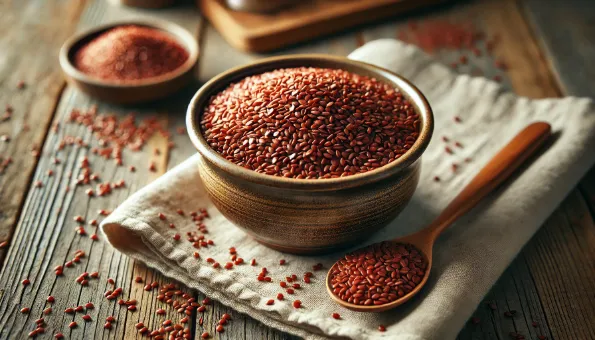
What Is Kaniwa?
**Kaniwa** (*Chenopodium pallidicaule*) is a tiny Andean grain cultivated for centuries in Peru and Bolivia. It’s similar to quinoa but smaller, nuttier in flavor, and doesn’t require rinsing before cooking.
Nutrition (per 100 g, uncooked)
- **Calories:** 370 kcal
- **Protein:** 16 g
- **Carbohydrates:** 66 g
- **Fat:** 6 g
- **Fiber:** 7 g
- **Iron:** 15 mg
- **Calcium:** 60 mg
- **Magnesium:** 120 mg
- **Antioxidants:** High
Health Benefits
- Excellent source of **complete plant protein**.
- Rich in **iron, calcium, and magnesium** for bone and blood health.
- Naturally **gluten-free** and easy to digest.
- High in **antioxidants** that may reduce inflammation.
Possible Drawbacks
- Less widely available than quinoa.
- Like other grains, may contain **phytic acid**, reducing mineral absorption.
- Should be stored in a **cool, dry place** to prevent rancidity.
Culinary Uses
- Cook similar to quinoa: **2 parts water to 1 part kaniwa**.
- Great in **porridge, salads, soups, or veggie burgers**.
- Can be **toasted** for a nutty crunch in desserts.
Summary
Kaniwa is a protein-rich, gluten-free ancient grain that’s easy to cook and packed with minerals — an excellent superfood alternative to quinoa.
- 1. Kaniwa
Kaniwa: sitna andska žitarica slična kvinoji, ali bogatija proteinima i željezom; ne sadrži saponine i ne treba je ispirati prije kuhanja.