

Stale Bread: Smart Zero-Waste Uses and Safety Tips
Stale bread isn’t trash — it’s perfect for breadcrumbs, croutons, puddings and more, saving money and reducing food waste.
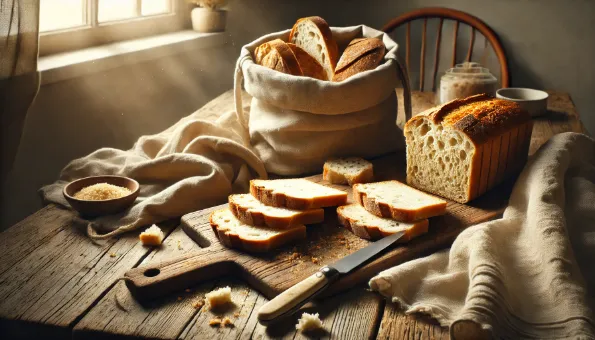
What Is Stale Bread?
**Stale bread** is bread that has lost moisture and turned firm due to starch retrogradation. While less pleasant for sandwiches, it’s excellent for cooking.
Nutrition (per 100 g, typical wheat bread)
- **Calories:** ~265 kcal
- **Carbohydrates:** ~49 g
- **Protein:** ~9 g
- **Fat:** ~3 g
- **Fiber:** ~2–3 g
- **Sodium:** varies by recipe
Why Use It?
- **Zero-waste & budget-friendly**: extend bread’s life.
- Drier texture makes **better crumbs and coatings**.
- Adds **body** to soups, salads and desserts.
- A source of **complex carbs** and **some fiber**.
Watch Outs
- **Mold = discard** (green/black spots or off smell).
- Contains **gluten**; not for gluten-free diets.
- Often **high in sodium** if the original loaf was salty.
Culinary Uses
- **Breadcrumbs**: dry, pulse and store.
- **Croutons**: cube, oil, bake.
- **Bread puddings/strata/French toast**: bread absorbs custard perfectly.
- **Panzanella** salad; **gazpacho**/**ribollita** thickener; **meatball** binder.
Reviving & Storage
- Briefly **spritz with water** and warm in oven to soften (best same day).
- **Freeze** cubes/crumbs in airtight bags for later use.
Summary
Stale bread is a kitchen asset: safe when mold-free, versatile, and ideal for zero-waste cooking.
- 1. Stale Bread
Bajati hljeb (stale bread): hljeb koji je izgubio svježinu/usitnjenu vlagu; idealan za mrvice, krutone, pudinge i „zero-waste” recepte.