
Food Safety & Immunity: Small Habits That Prevent Problems
The fastest way to ruin good nutrition is food poisoning. This premium guide covers key habits: clean hands, separating raw and cooked foods, proper storage, and smart handling of leftovers.
The easiest way to eat for immunity is to stop having to think about every meal. This premium 60‑minute plan prepares 3‑day bases: protein + vegetables + energy + sauce.
Iftar is often prepared in large quantities. Here’s how to keep leftovers safe and fresh.
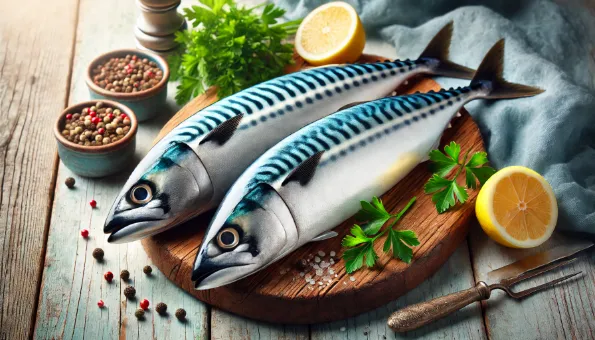
This guide to Mackerel: Omega-3 Powerhouse explains nutrition facts, calories, key nutrients, health benefits, possible downsides, storage, substitutions, and practical everyday cooking uses. A rich, oily fish high in omega-3s, vitamin D and protein—great for heart and brain health. Use it to compare portions, choose better brands or fresh ingredients, and build balanced meals while checking sodium, sugar, fat, fiber, protein, gluten, allergens, freshness, and food-safety details when they matter.
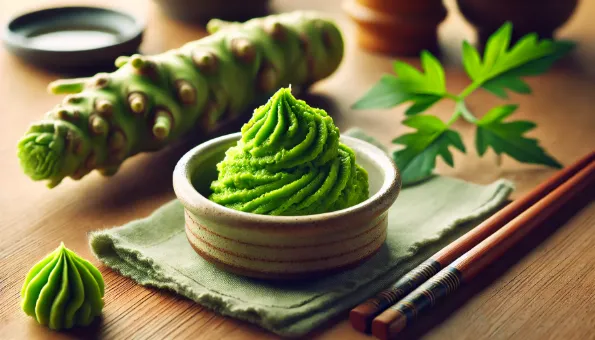
This guide to Wasabi: Japanese Green Heat explains nutrition facts, calories, key nutrients, health benefits, possible downsides, storage, substitutions, and practical everyday cooking uses. A pungent green paste made from the rhizome of *Wasabia japonica*, adding sharp, quick heat to sushi and soba. Use it to compare portions, choose better brands or fresh ingredients, and build balanced meals while checking sodium, sugar, fat, fiber, protein, gluten, allergens, freshness, and food-safety details when they matter.
This guide to Wakame: Mineral- and Iodine-Rich Seaweed explains nutrition facts, calories, key nutrients, health benefits, possible downsides, storage, substitutions, and practical everyday cooking uses. A tender brown seaweed bringing minerals, fiber and natural iodine—great in soups and salads when used in moderation. Use it to compare portions, choose better brands or fresh ingredients, and build balanced meals while checking sodium, sugar, fat, fiber, protein, gluten, allergens, freshness, and food-safety details when they matter.
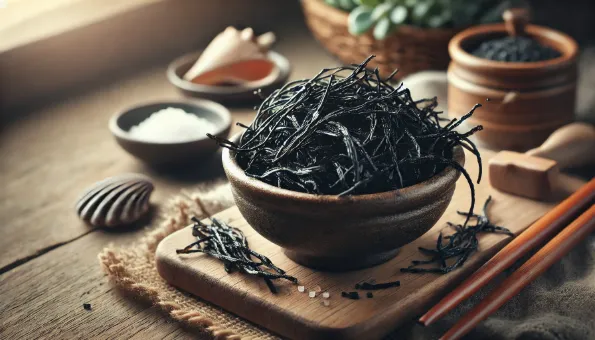
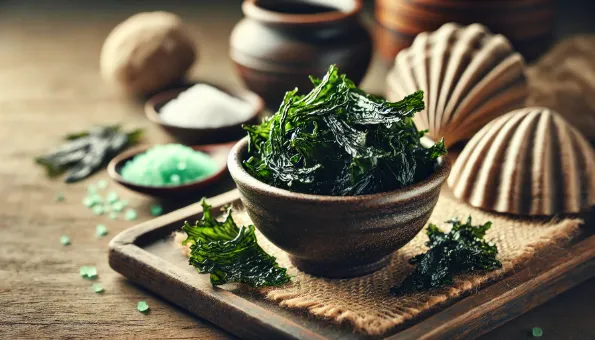
This guide to Hijiki: Mineral-Rich Seaweed explains nutrition facts, calories, key nutrients, health benefits, possible downsides, storage, substitutions, and practical everyday cooking uses. Hijiki is a traditional Japanese seaweed, high in minerals like calcium, iron and magnesium — but also controversial due to inorganic arsenic content. Use it to compare portions, choose better brands or fresh ingredients, and build balanced meals while checking sodium, sugar, fat, fiber, protein, gluten, allergens, freshness, and food-safety details when they matter.
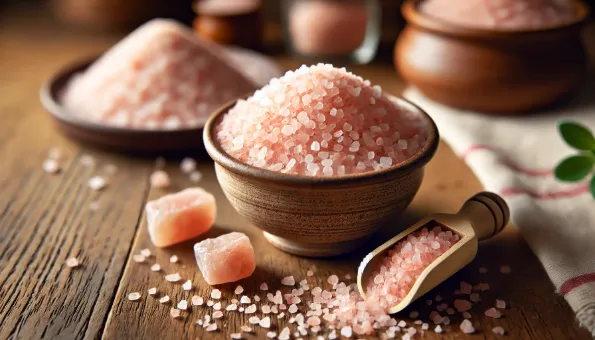
This guide to Himalayan Pink Salt: Facts, Myths & Smart Use explains nutrition facts, calories, key nutrients, health benefits, possible downsides, storage, substitutions, and practical everyday cooking uses. A mineral-rich rock salt prized for color and crunch—use it for flavor, not as a miracle nutrient source. Use it to compare portions, choose better brands or fresh ingredients, and build balanced meals while checking sodium, sugar, fat, fiber, protein, gluten, allergens, freshness, and food-safety details when they matter.

This guide to Lobster: Lean Protein from the Sea explains nutrition facts, calories, key nutrients, health benefits, possible downsides, storage, substitutions, and practical everyday cooking uses. Lobster offers high-quality protein with omega-3s, B12 and minerals — luxurious taste with smart portions. Use it to compare portions, choose better brands or fresh ingredients, and build balanced meals while checking sodium, sugar, fat, fiber, protein, gluten, allergens, freshness, and food-safety details when they matter.
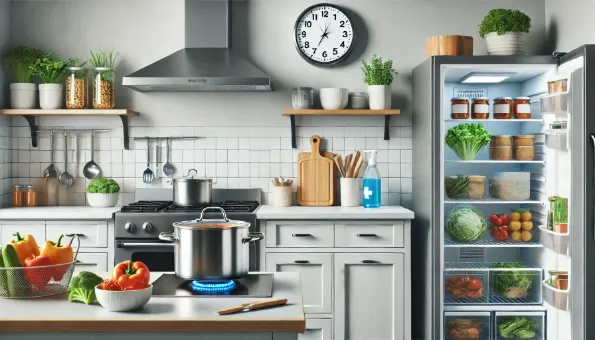
This home food safety guide explains how to prevent food poisoning by controlling the danger zone, cooking temperatures, handwashing, and cross-contamination. It covers safe storage, fridge temperature, raw meat handling, leftovers, separate cutting boards, and when to throw food away. Use it as a practical kitchen checklist for families, beginners, and anyone searching for safer food preparation at home.
This article contains affiliate links. As an Amazon Associate we earn from qualifying purchases.