


Rice Milk: Nutrition, Calories, Benefits & Uses
Discover Rice Milk nutrition facts, calories, health benefits, possible side effects and the best ways to use Rice Milk in recipes.
Discover Rice Milk nutrition facts, calories, health benefits, possible side effects and the best ways to use Rice Milk in recipes.

This guide to Maitake (Hen-of-the-Woods): 31 kcal, 2.7 g Fiber & 112 IU Vitamin D per 100 g Raw explains nutrition facts, calories, key nutrients, health benefits, possible side effects, storage, and everyday cooking uses. Frilly, fan-shaped mushroom famed for its earthy umami and immune-supporting β-glucans—delicious roasted, sautéed or brewed as a broth. Use it to compare portions, choose better brands or fresh ingredients, and build balanced meals while checking sodium, sugar, gluten, allergies, and food-safety details when they matter.

This guide to Vegetable Oil (Refined Blend): 120 kcal, 2 g Saturated Fat & 5 mg Vitamin E per Tablespoon explains nutrition facts, calories, key nutrients, health benefits, possible side effects, storage, and everyday cooking uses. Neutral, high-heat cooking oil made from soy, sunflower and canola—low in saturated fat, rich in polyunsaturates yet heavy on omega-6. Use it to compare portions, choose better brands or fresh ingredients, and build balanced meals while checking sodium, sugar, gluten, allergies, and food-safety details when they matter.

This guide to Honeydew Melon: 36 kcal, 9 g Carbs & 18 mg Vitamin C per 100 g Juicy Flesh explains nutrition facts, calories, key nutrients, health benefits, possible side effects, storage, and everyday cooking uses. Pale-green, ultra-hydrating melon that delivers electrolytes and a fragrant sweetness—perfect in fruit bowls or chilled soups. Use it to compare portions, choose better brands or fresh ingredients, and build balanced meals while checking sodium, sugar, gluten, allergies, and food-safety details when they matter.

This guide to Blackstrap Molasses: 60 kcal, 3.5 mg Iron & 200 mg Calcium per Deep-Caramel Tablespoon explains nutrition facts, calories, key nutrients, health benefits, possible side effects, storage, and everyday cooking uses. Thick, bittersweet syrup left after the third boil of sugar-cane juice—rich in minerals, antioxidants and distinctive treacle flavour. Use it to compare portions, choose better brands or fresh ingredients, and build balanced meals while checking sodium, sugar, gluten, allergies, and food-safety details when they matter.

This guide to Date Sugar: 30 kcal, 1 g Fiber & 75 mg Potassium per Sweet, Caramel-Like Tablespoon explains nutrition facts, calories, key nutrients, health benefits, possible side effects, storage, and everyday cooking uses. Simply ground whole, pitted dates—rich in fiber and minerals yet tastes like brown sugar with hints of butterscotch. Use it to compare portions, choose better brands or fresh ingredients, and build balanced meals while checking sodium, sugar, gluten, allergies, and food-safety details when they matter.

This guide to Smoked Paprika: 6 kcal & 1 000 IU Vitamin A per Teaspoon of Sweet, Wood-Fired Spice explains nutrition facts, calories, key nutrients, health benefits, possible side effects, storage, and everyday cooking uses. Oak-smoked, sun-dried red peppers ground into a crimson powder that adds colour, sweetness and campfire aroma to rubs, stews and roasted veggies. Use it to compare portions, choose better brands or fresh ingredients, and build balanced meals while checking sodium, sugar, gluten, allergies, and food-safety details when they matter.

This guide to Kefir: 60 kcal, 3.4 g Protein & 20 B CFU Probiotics per 100 ml explains nutrition facts, calories, key nutrients, health benefits, possible side effects, storage, and everyday cooking uses. Tangy, effervescent cultured milk with 30+ strains of beneficial bacteria and yeast—lactose-lower, protein-rich and gut-loving. Use it to compare portions, choose better brands or fresh ingredients, and build balanced meals while checking sodium, sugar, gluten, allergies, and food-safety details when they matter.

This guide to Canola Oil: 120 kcal, 1 g Saturated Fat & 1.3 g Omega-3 per Tablespoon explains nutrition facts, calories, key nutrients, health benefits, possible side effects, storage, and everyday cooking uses. Neutral-tasting rapeseed oil pressed from low-erucic “canola” cultivars—rich in heart-friendly monounsaturates and plant omega-3 ALA with a 230 °C smoke point. Use it to compare portions, choose better brands or fresh ingredients, and build balanced meals while checking sodium, sugar, gluten, allergies, and food-safety details when they matter.

This guide to Endive: 17 kcal, 3.1 g Fiber & 231 µg Vitamin K per 100 g Raw explains nutrition facts, calories, key nutrients, health benefits, possible side effects, storage, and everyday cooking uses. Curly or Belgian endive offers crisp bite, bitter-sweet complexity and a vitamin-rich, ultra-low-calorie crunch for salads and elegant hors d’œuvres. Use it to compare portions, choose better brands or fresh ingredients, and build balanced meals while checking sodium, sugar, gluten, allergies, and food-safety details when they matter.

This guide to Tamarind: Sweet-Sour Pulp with 239 kcal & 5 g Fiber per 100 g explains nutrition facts, calories, key nutrients, health benefits, possible side effects, storage, and everyday cooking uses. Brown pod pulp prized from Mexico to India—rich in tartaric acid antioxidants, potassium and natural sugar that gives chutneys, sauces and candies their tang. Use it to compare portions, choose better brands or fresh ingredients, and build balanced meals while checking sodium, sugar, gluten, allergies, and food-safety details when they matter.

This guide to Reishi Mushrooms: Bitter Wood-Like Caps with 2 g β-Glucan & 18 kcal per 10-g Slice (Dried) explains nutrition facts, calories, key nutrients, health benefits, possible side effects, storage, and everyday cooking uses. Known as the ‘mushroom of immortality’, reishi is simmered into tea or powder for its polysaccharides and triterpenes that may modulate immunity and calm stress. Use it to compare portions, choose better brands or fresh ingredients, and build balanced meals while checking sodium, sugar, gluten, allergies, and food-safety details when they matter.

This guide to Bok Choy: 13 kcal, 45 mg Vitamin C & 2681 IU Vitamin A per 100 g Raw explains nutrition facts, calories, key nutrients, health benefits, possible side effects, storage, and everyday cooking uses. Crisp, hydrating Chinese cabbage that stir-fries in minutes while delivering carotenoids, folate and sulfur-rich glucosinolates. Use it to compare portions, choose better brands or fresh ingredients, and build balanced meals while checking sodium, sugar, gluten, allergies, and food-safety details when they matter.

This guide to Tomatillo: Tart Green Husk Tomato with 32 kcal & 12 mg Vitamin C per 100 g explains nutrition facts, calories, key nutrients, health benefits, possible side effects, storage, and everyday cooking uses. These paper-lantern fruits give salsa verde its bright zing and offer pectin fiber plus unique withanolide antioxidants. Use it to compare portions, choose better brands or fresh ingredients, and build balanced meals while checking sodium, sugar, gluten, allergies, and food-safety details when they matter.
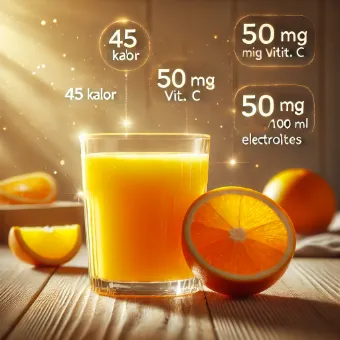
This guide to Orange Juice: 45 kcal, 50 mg Vitamin C & Natural Electrolytes per 100 ml explains nutrition facts, calories, key nutrients, health benefits, possible side effects, storage, and everyday cooking uses. Fresh-squeezed sunshine that hydrates, delivers flavonoid antioxidants and brightens breakfast—just watch the sugar load. Use it to compare portions, choose better brands or fresh ingredients, and build balanced meals while checking sodium, sugar, gluten, allergies, and food-safety details when they matter.

This guide to Sherry Vinegar: 3 kcal & 0 g Sugar per Tablespoon of Nutty, Aged Acidity explains nutrition facts, calories, key nutrients, health benefits, possible side effects, storage, and everyday cooking uses. Barrel-aged in Spain’s ‘criadera-solera’ system, this mahogany vinegar brings oxidative wine aromas, gentle 7-% acidity and trace polyphenols to dressings, glazes and gazpacho. Use it to compare portions, choose better brands or fresh ingredients, and build balanced meals while checking sodium, sugar, gluten, allergies, and food-safety details when they matter.

This guide to Kale: 35 kcal, 389 µg Vitamin K & 93 mg Vitamin C per 100 g Raw explains nutrition facts, calories, key nutrients, health benefits, possible side effects, storage, and everyday cooking uses. Curly or lacinato leaves pack fiber, carotenoids and sulphur-rich glucosinolates—earning kale its ‘nutrient powerhouse’ status. Use it to compare portions, choose better brands or fresh ingredients, and build balanced meals while checking sodium, sugar, gluten, allergies, and food-safety details when they matter.

This guide to Golden Berries: Tangy Tropic Pop with 53 kcal, 11 mg Vitamin C & 5 g Fiber per 100 g explains nutrition facts, calories, key nutrients, health benefits, possible side effects, storage, and everyday cooking uses. Also called cape gooseberry or Inca berry, these sun-gold globes burst with sweet-sour flavour plus carotenoids and withanolide antioxidants. Use it to compare portions, choose better brands or fresh ingredients, and build balanced meals while checking sodium, sugar, gluten, allergies, and food-safety details when they matter.

This guide to Savory (Summer & Winter): Peppery Mediterranean Herb with 29 µg Vitamin K per Teaspoon explains nutrition facts, calories, key nutrients, health benefits, possible side effects, storage, and everyday cooking uses. Thyme’s zesty cousin lends sharp, clean spice to beans, grilled meats and herb mixes while offering carvacrol antioxidants and traditional digestive relief. Use it to compare portions, choose better brands or fresh ingredients, and build balanced meals while checking sodium, sugar, gluten, allergies, and food-safety details when they matter.

This guide to Black Garlic: Sweet Umami Cloves with 6× the Antioxidants of Raw Garlic explains nutrition facts, calories, key nutrients, health benefits, possible side effects, storage, and everyday cooking uses. Slow-aged at 60 °C for 3–4 weeks, garlic turns jet-black, jam-soft and balsamic-sweet while boosting S-allyl cysteine, a potent antioxidant. Use it to compare portions, choose better brands or fresh ingredients, and build balanced meals while checking sodium, sugar, gluten, allergies, and food-safety details when they matter.
This article contains affiliate links. As an Amazon Associate we earn from qualifying purchases.