

Pomegranate: Ruby Arils Packed with Antioxidants, Vitamin C & Gut-Friendly Fiber
Half a cup of arils (87 g) provides just 72 kcal, 4 g fiber and more polyphenols than red wine—perfect for sweet-tart crunch.
0.0(0)
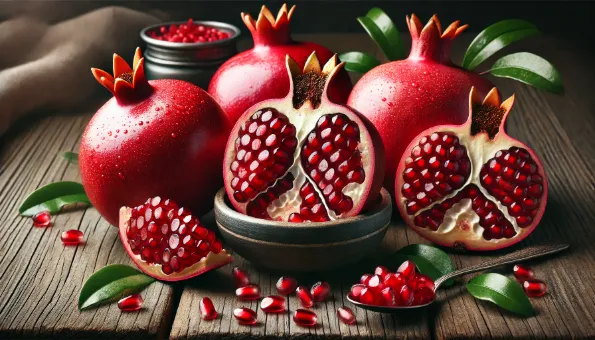
What Is a Pomegranate?
Pomegranate (*Punica granatum*) encases hundreds of jewel-like **arils**—each a juicy sac surrounding a crunchy edible seed. Originating in Persia, the fruit is now a global symbol of fertility and longevity.
Popular Varieties & Season
- **Wonderful** (deep-red skin, U.S.–Spain, Oct–Jan)
- **Hicaz** (Turkey, November peak, tangy)
- **Mollar** (Spain, pale skin, softer seeds)
- **Angel Red** (early season, extra-juicy)
Prime season in the Northern Hemisphere runs **September → February**.
Nutrition per 100 g arils
|Calories|Protein|Fat|Carbs|Fiber|Vit C|Vit K|Potassium|
|---|---|---|---|---|---|---|---|
|83 kcal|1.7 g|1.2 g|18.7 g|4 g|10 mg (11 % DV)|16 µg (18 %)|236 mg (7 %)|
Science-Backed Benefits
- **Punicalagins & ellagic acid** show strong antioxidant and anti-inflammatory activity in vitro.
- May help maintain healthy blood pressure by boosting nitric oxide.
- **Prebiotic fiber** supports bifidobacteria and bowel regularity.
- Naturally gluten- & dairy-free snack with low glycaemic load.
Drawbacks & Precautions
- Juice stains are relentless—use an apron & board you don’t mind tinting.
- Whole fruit can be tough to de-seed; see prep tips below.
- Moderate natural sugar (14 g per ½ cup); count carbs if diabetic.
Mess-Free Prep Tips
1. **Score equator**, twist to split.
2. Submerge halves in water; gently roll arils out—the pith floats.
3. Skim pith, drain arils. Ready in 2 min, no staining counter-tops.
Easy Ways to Use
- Sprinkle fresh arils over **oatmeal, yogurt, hummus bowls**.
- Reduce juice to a tangy **pomegranate molasses** for glazes.
- Fold seeds into **guacamole** for sweet-heat punch.
- Shake into **mocktails/cocktails** with mint & lime.
Flavour Pairings
- **Feta / halloumi / goat cheese**
- Herbs: **mint, parsley, rosemary**
- Proteins: **lamb, chicken, tempeh**
- Produce: **citrus, avocado, beetroot**
Buying & Storage
- Choose heavy, unblemished fruit with firm skin.
- Whole keeps **4 weeks** at 5 °C; arils keep **5 days** airtight.
- Freeze arils in a single layer, then bag—lasts 10 months.
- 1. Pomegranate
Comments
Povezani postovi
Pomegranate Molasses: Tangy, Sweet, Antioxidant-Rich
Low-CarbVeganImmunity
Pomegranate Seeds (Arils): Jewel-Like Bursts of Nutrition
VeganImmunityHealthy Fats
Bison Meat: Lean, Nutrient-Dense Red Meat
VeganImmunityHealthy Fats
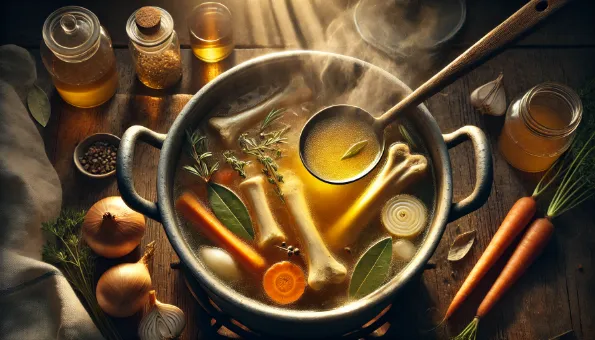
Bone Broth: Slow-Simmered Collagen-Rich Stock
VeganImmunityHealthy Fats
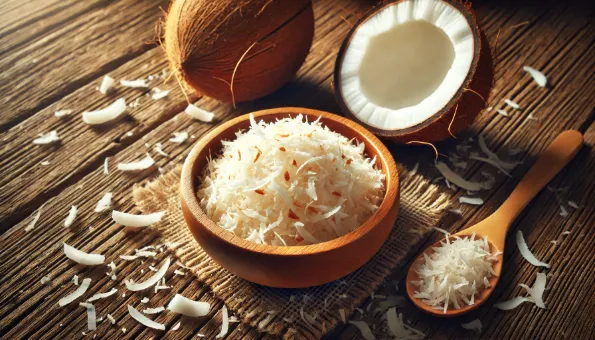
Coconut Flakes: Crunchy, Tropical Topping
VeganImmunityHealthy Fats
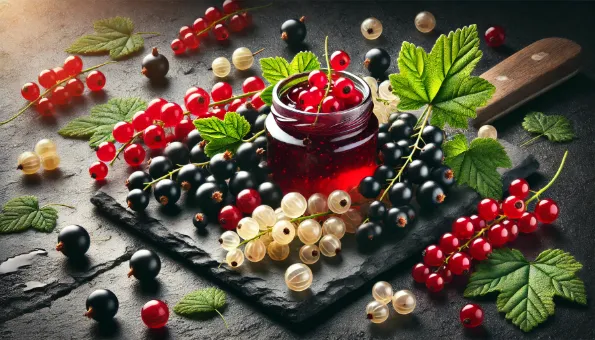
Currants (Black, Red & White): Tart, Juicy Vitamin C Powerhouses
VeganImmunityHealthy Fats
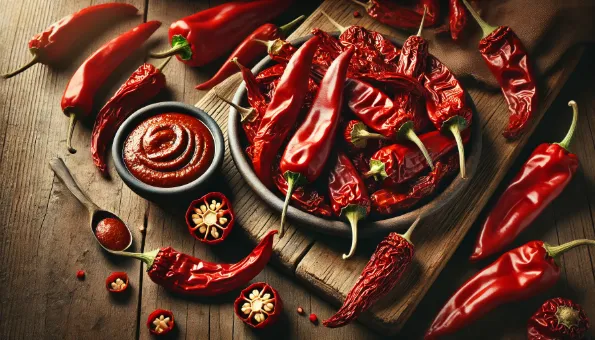
Guajillo Peppers: Fruity, Mild-to-Medium Dried Chilies
VeganImmunityHealthy Fats
Sticky Rice (Glutinous Rice): Perfectly Chewy, Sweet or Savory
VeganImmunityHealthy Fats
Matcha Powder: Antioxidant-Rich Green Tea Boost
VeganImmunityHealthy Fats
Enoki Mushrooms: Delicate, Noodle-Like Mushrooms for Soups & Stir-Fries
VeganImmunityHealthy Fats