

Asafoetida (Hing): Tiny Pinch, Big Umami – Sulphury Spice that Mimics Onion & Garlic
Just 1⁄8 tsp of powdered asafoetida perfumes an entire pot of dal, replaces alliums for low-FODMAP eaters and even calms digestive cramps.
0.0(0)
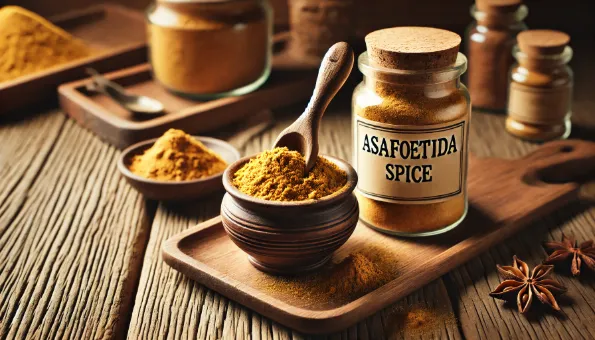
What Is Asafoetida?
Asafoetida is the dried **oleo-gum-resin of *Ferula assa-foetida***, a giant fennel that grows in Iran and Afghanistan. The raw resin smells aggressively of sulphur, but when heated in oil it transforms into a mellow leek-like aroma rich in natural glutamates. Indian cooks dilute the brittle lumps with rice flour to make the familiar yellow “hing powder” that is dosed in pinches.
Why Use It?
- **Digestive aid:** traditional Ayurveda uses hing to reduce bloating and flatulence in lentil dishes.
- **Low-FODMAP allium stand-in:** a pinch delivers onion-garlic flavour without the fermentable sugars that trigger IBS.
- **Umami booster:** sulphur compounds plus glutamic acid deepen curries, pickles, chutneys and roasted vegetables with almost no sodium.
Nutrition (powder, 1 g ≈ big pinch)
|Calories|Protein|Carbs|Fiber|Sodium|
|---|---|---|---|---|
|≈ 3 kcal|0.1 g|0.6 g|0.2 g|1 mg|
Drawbacks & Safety
Raw resin’s odour can linger on plastic jars and clothing for days; store double-sealed. Large doses (>1 g per portion) taste bitter and may irritate stomach lining. Most commercial powders contain **wheat or rice flour** as diluent—check label for gluten if coeliac. Pregnant people traditionally limit intake to culinary pinches only.
How to Cook with Hing
Bloom 1⁄16–1⁄8 tsp powder in **hot ghee or oil for 10 seconds** until foaming subsides, then add spices or vegetables. In tempering (tadka) it pairs with cumin seeds, black mustard and dried chilli. Western twists: whisk a micro-pinch into vegan cheese sauces, tomato soup or fried mushrooms for an instant savoury lift.
Buying & Storage Tips
- Choose “**compound hing (60 % resin)**” for best aroma.
- Keep jar inside a second airtight tub, cool and dark; potency ~2 years.
- Whole lumps keep longest—grate only what you need, then rewrap tightly in wax paper.
- 1. Asafoetida
Comments
Povezani postovi
Bison Meat: Lean, Nutrient-Dense Red Meat
VeganImmunityHealthy Fats

Bone Broth: Slow-Simmered Collagen-Rich Stock
VeganImmunityHealthy Fats
Coconut Flakes: Crunchy, Tropical Topping
VeganImmunityHealthy Fats

Currants (Black, Red & White): Tart, Juicy Vitamin C Powerhouses
VeganImmunityHealthy Fats

Guajillo Peppers: Fruity, Mild-to-Medium Dried Chilies
VeganImmunityHealthy Fats
Sticky Rice (Glutinous Rice): Perfectly Chewy, Sweet or Savory
VeganImmunityHealthy Fats
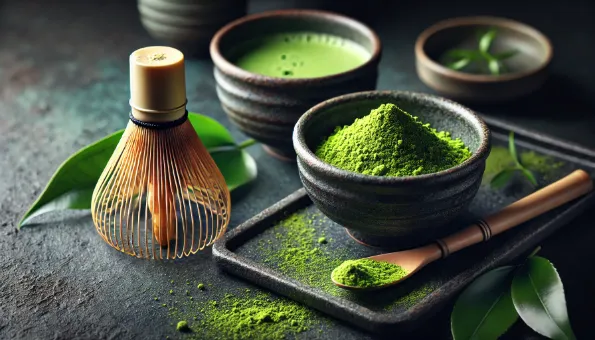
Matcha Powder: Antioxidant-Rich Green Tea Boost
VeganImmunityHealthy Fats
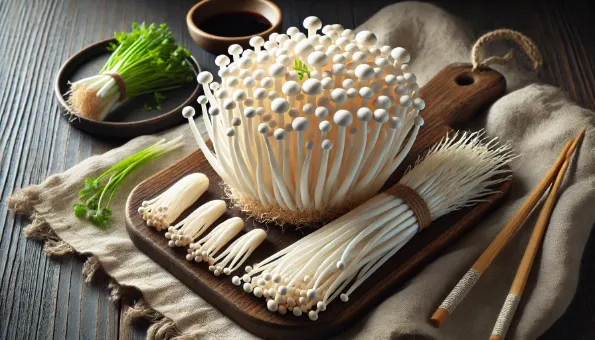
Enoki Mushrooms: Delicate, Noodle-Like Mushrooms for Soups & Stir-Fries
VeganImmunityHealthy Fats
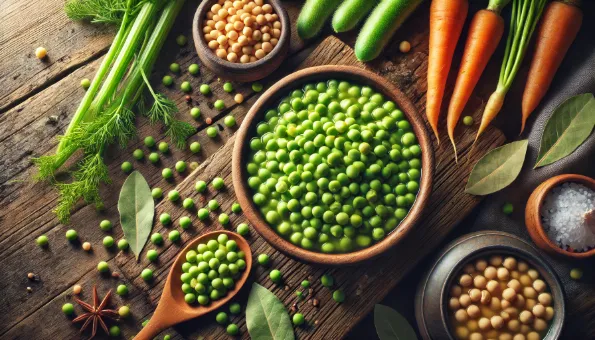
Split Peas: Protein- & Fiber-Rich Legume for Soups & Stews
VeganImmunityHealthy Fats
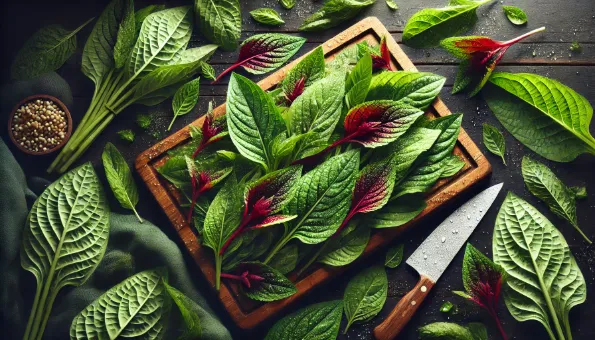
Amaranth Leaves: Nutritious Leafy Green Packed with Iron & Vitamins
VeganImmunityHealthy Fats